


Quick Answer
Amazon Prime Day is a 48-hour deal event for Prime members, and Amazon runs it twice a year: the main summer event, and Prime Big Deal Days in October as the opening of holiday shopping.
- The two are separate events with their own submission windows, inventory cut-offs and fees. Qualifying for one does not enrol you in the other.
- Amazon confirms the dates a few weeks ahead, so the preparation work has to start before the announcement.
- Deal prices are measured against your own recent price history, so discounting heavily in the weeks before an event can disqualify the deal you wanted.
- The traffic concentrates into two days, which means anything that goes wrong on your listing costs more than it would on an ordinary day.
As an Amazon seller, you’re probably well aware of the incredible opportunity that Amazon Prime Day presents. This massive shopping event, exclusively for Amazon Prime members, is one of the most significant sales events of the year, offering incredible deals across a wide range of products. And when the next one comes round, the sellers who do well are the ones who started preparing before the date was announced.
But when is the next Amazon Prime Day, and where do you start? With so much to do and so little time, trying to navigate Prime Day’s ins and outs can be overwhelming. That’s where we come in. This is our guide to Prime Day for sellers: how the event works, what it does to your listings, and how to get ready for it.
In this guide, we’ll tell what Prime Day is and walk you through the entire process of preparing for Prime Day as an Amazon seller. We’ll cover everything from optimizing your product listings and pricing strategies to managing inventory and handling shipping logistics. Plus our tips for making the most of the event and driving as many sales as you can.
So whether you’re a seasoned Amazon seller or just starting out, don’t miss out on this incredible opportunity to boost your sales and grow your business. Read on for the complete seller guide.
Amazon Prime Day: Complete Guide for Sellers
Looking to boost your sales and expand your customer base? Then look no further than Amazon Prime Day! This annual shopping extravaganza is a win-win situation for both buyers and sellers; there’s no better time to jump on the bandwagon. So get ready, get set, and get selling!
How Does Amazon Prime Day Benefit Sellers?
Amazon Prime Day can be a fantastic opportunity for sellers to grow their businesses and increase their sales. By taking advantage of this event and offering great deals to shoppers, you can attract new customers, improve your ranking on the platform, and clear out excess inventory.
What is Amazon Prime Day?
Amazon Prime Day is a major annual shopping event held by Amazon, where the company offers exclusive discounts and deals on a wide range of products to its Prime members. The event runs for 48 hours and Amazon holds it twice a year. The main one lands in summer, June 23-26 in 2026; a second event, Prime Big Deal Days, runs in October as the opening of holiday shopping. Exact dates move year to year and Amazon announces them a few weeks ahead.
The two are run separately, with their own submission windows, inventory cut-offs and fees. Qualifying for one does not enrol you in the other. For the October event specifically, see our Prime Big Deal Days seller guide.
For Amazon sellers, this event is an opportunity to boost their sales and increase their brand visibility on the platform. Many sellers offer exclusive discounts and promotions during the event to attract more customers and drive sales. It is a highly anticipated event that offers shoppers a chance to save money on their favorite products while allowing sellers to increase their sales and grow their businesses.
Upsides of Prime Day for sellers
So, how exactly does this big sale benefits sellers? Let’s dive in.
Increased exposure: Amazon Prime Day is heavily promoted by Amazon, meaning millions of shoppers browse the platform for deals. This increased traffic can lead to greater product exposure, translating into increased sales and a higher profile for your brand.
Boosted sales: With so many shoppers looking for deals, Amazon Prime Day can be a significant boon for sellers. By offering discounts and special promotions on your products, you can attract new customers and drive more sales during the event.
Improved ranking: Amazon’s algorithm rewards sellers who generate a lot of sales, and Prime Day can be a great way to boost your ranking on the platform. By selling a lot of products during the event, you can improve your product’s visibility on Amazon and increase the likelihood that it will appear at the top of search results.
Clearing out inventory: If you have excess inventory that you’re looking to move, Amazon Prime Day can be a great way to do it. By offering discounts and promotions, you can encourage shoppers to purchase items that may have been languishing in your inventory.
How to make the most of Prime Day
As Amazon’s significant sales approaches, preparing your business for the surge in traffic and sales is essential. With massive reach and increased traffic, it’s the ultimate platform to showcase your products and grow your business.
Enroll in Amazon Prime: Ensure you have an active Amazon Prime membership before the start of the event. No subscription? There’s a 30-day free trial. After that, Amazon prices Prime at $14.99 per month or $139 per year, which buys fast free shipping and access to Lightning Deals among other things.
Start promoting early: Prime Day is a highly anticipated event, so it’s vital to start promoting your products well in advance. Use social media, email marketing, and other channels to build hype and generate buzz around your products.
Plan your inventory: This event is all about Amazon Prime deals and discounts, so it’s crucial to have enough inventory on hand to meet demand. Analyze your sales data from previous years to determine which products are likely to be the most popular and ensure you have enough stock to meet demand. Remember to also factor in lead times and shipping times to ensure you can fulfill orders in a timely manner.
Set up Amazon alerts: Make sure you have your Amazon alerts ready to stay tuned for active sales. One of the most popular tools to help you solve this task is SellerSonar. It provides many valuable features to help you optimize Amazon listings, including keyword research, competitor analysis, and product tracking. SellerSonar offers Hijacking alerts, Competitor research, Price change alerts, Product review and rating tracking, Amazon Keyword Rank Tracker, an Amazon BSR tracker, Product suppression alerts, and an FBA calculator.
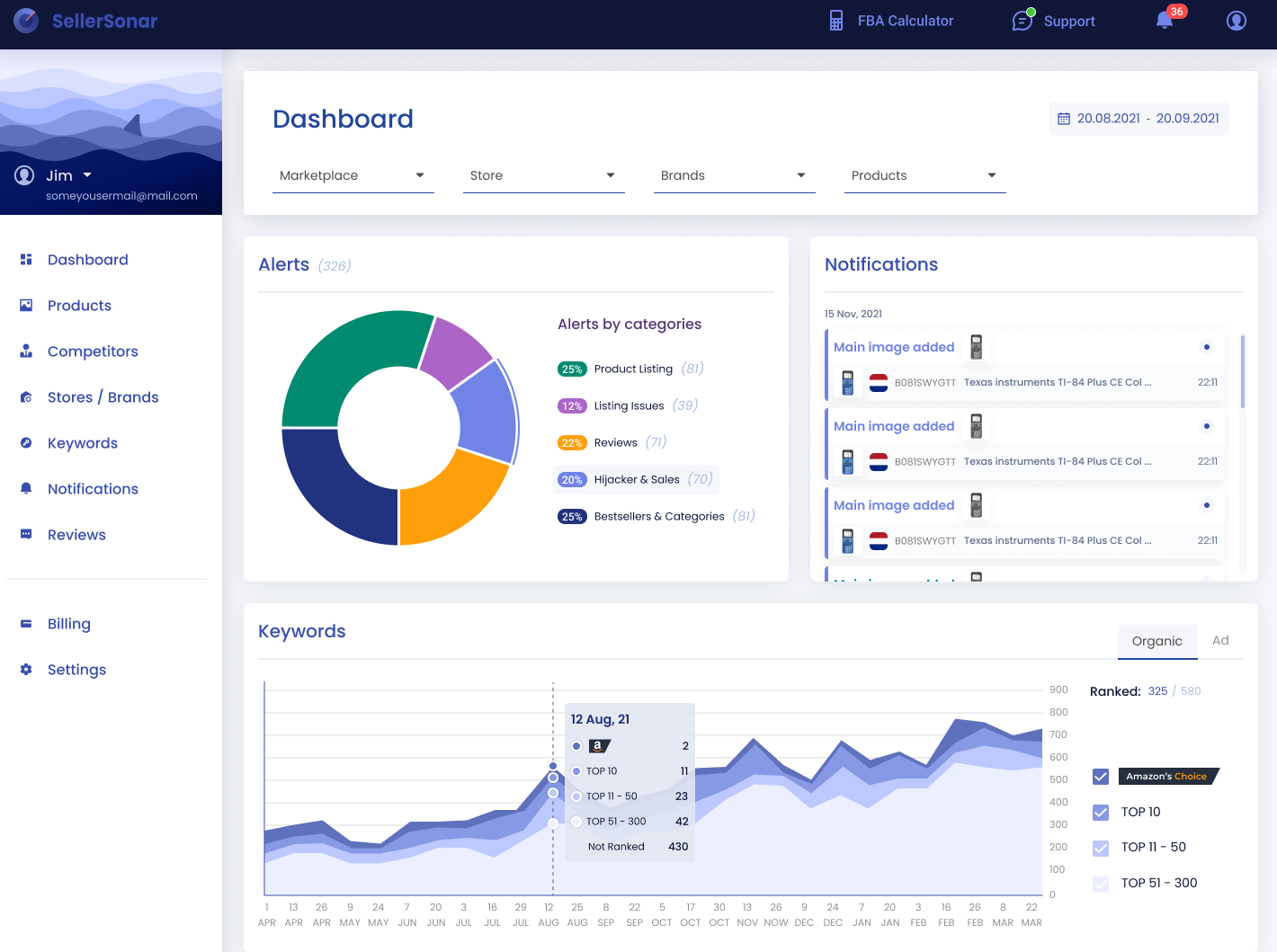
SellerSonar Dashboard
When is Amazon Prime Day?
Prime Day runs for 48 hours in the summer. It has usually landed in July, though Amazon moved it to June 23-26 in 2026, and the exact dates are announced a few weeks ahead.
There is a second event too. Amazon first ran an October sale under the name Prime Early Access Sale, then renamed it Prime Big Deal Days, and it now runs every autumn as the opening of holiday shopping. Same 48-hour format, separate deadlines, separate fees.
So there are two dates to watch each year, not one. Amazon confirms each a few weeks out.
What to expect on Amazon Prime Day
Prime Day is a real chance for sellers to skim the cream off a very large shopping event. So get ready to score some incredible Amazon Prime Day deals during this year’s event. Prime members buy at an enormous rate during the event, and each year Amazon reports it bigger than the last. With multiple categories in demand, there’s something for everyone to offer during Prime Day.
Popular categories likely to have profitable Prime Day deals include Consumer Electronics, Beauty, Grocery, Health and personal care, Home goods and furniture, Home improvement, Telecom, and Hospitality. And suppose you’re wondering what products will have the most significant price drops. In that case, you can expect discounts on popular items such as Instant Pots, robotic vacuums, smartwatches, mattresses, apparel, household goods, electronics, toys, and many more.
Leading up to the big event, Amazon typically promotes early deals, discounts, and other promotions, and this year will be no different. You can expect to find hundreds of thousands of deals, including discounts on popular seasonal and gift items. And remember the Lightning Deals, which will have countdown clocks, pushing shoppers to make quick purchases and creating a frenzy of excitement.
Amazon device lovers will be happy to know that Amazon will likely offer essential discounts on its own lineup of devices during Prime Day. Look out for discounts on Echo smart speakers, Fire tablets, Fire TVs, and Kindle e-readers.

Amazon Prime Day bestsellers
Preparing as a seller
Preparation is mostly a calendar problem. Amazon’s deal submission window and the FBA inventory arrival deadlines close about a month before the event, so the decisions that decide your Prime Day get made long before the day itself. Inventory depth, listing health, and a competitive price do most of the work.
We keep the full seller playbook in one place: how to prepare for Amazon Prime Day, with the working-backwards timeline, what still works if the deadlines have already passed, and what tends to break during the event itself.
How to find the best Prime Day deals
Finding profitable products to sell on Amazon requires a combination of research, analysis, and strategy. Sellers can use the strategies below to identify profitable deals for Prime Day and reduce their costs for increased profit margins.
Product Research: Sellers should conduct thorough product research to identify profitable products. They can use tools such as Google Trends, Amazon Best Sellers, and other tools to identify products that are currently in demand. They should also analyze customer reviews to identify gaps in the market and identify product features that customers value.
Finding suppliers: You need someone reliable and affordable. Alibaba and AliExpress cover China, ThomasNet covers the United States. Then negotiate, because the first price quoted is rarely the best one available to you.
Competitor Research: Sellers should analyze their competitors’ products to identify gaps in the market. They can use tools such SellerSonar to analyze sales data and identify profitable products with low competition. They should also analyze their competitors’ pricing and marketing strategies to identify opportunities for differentiation. SellerSonar’s Competitor Research feature allows you to analyze and exceed the strategies of leading market players by monitoring factors such as keyword ranking, product listings, pricing, and Best Seller Rank. By gaining deeper insights into the market, you can position your products for more tremendous success.
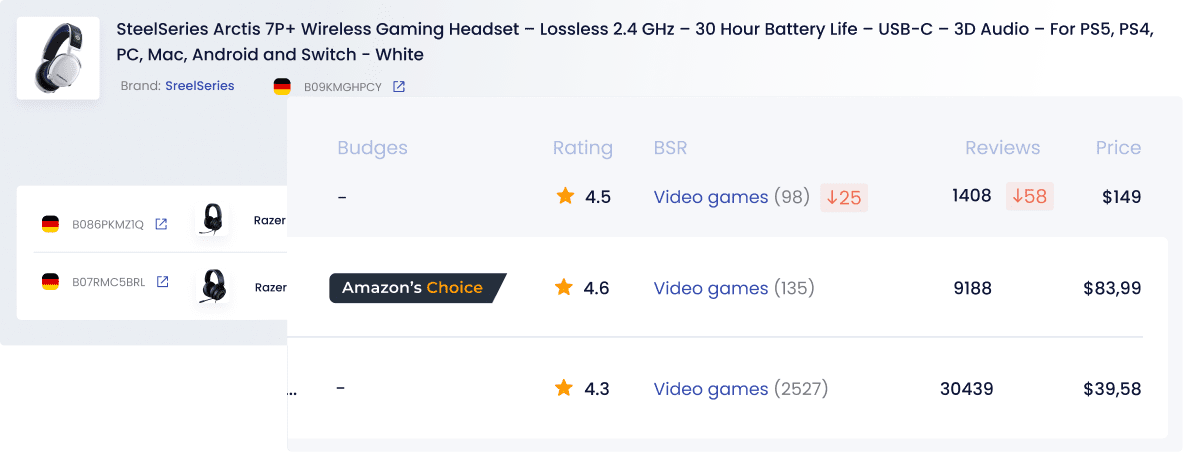
Competitor Research
Using Seller Product Research Tools: Many seller product research tools are available. These tools provide data on sales volume, revenue, and profit margins for different products. Sellers can use this data to identify profitable products and make informed decisions about which products to sell. Don’t forget to use the FBA calculator to estimate your product profitability accurately.

SellerSonar’s FBA calculator
Looking for Coupons and Discounts: Sellers should look for coupons and discounts to reduce their costs and increase their profit margins. They can use tools such as Honey and Rakuten to find coupons and discounts on products they want to sell. Sellers should also negotiate with suppliers to get bulk discounts and reduce their costs.
How to use lightning deals and limited-time offers?
Lightning deals and limited-time offers can be powerful tools for Amazon sellers to boost their sales during Amazon Prime Day.
Lightning Deals are time-limited promotions that offer significant discounts on a specific product or range of products for a short period of time, typically 4-6 hours. The deals are available to all Amazon customers but are limited in quantity, so customers must act fast to take advantage of the offer.
Limited Time Offers, on the other hand, are promotions that offer discounts on a product or range of products for a limited period of time, typically for several days. These offers are available to all Amazon customers and appear on the product detail page, search results, and other areas of the Amazon website.
Tips for using lightning deals and limited-time offers
Plan ahead: Well ahead. Research what competitors are charging, work out which products in your category actually move, and set your prices before the week of the event rather than during it.
Create a sense of urgency: You should market Lightning deals and limited-time offers to create a sense of urgency among buyers. Sellers can use phrases like “limited time only” or “while supplies last” to encourage buyers to act quickly.
Promote widely: Finally, sellers should promote their lightning deals and limited-time offers widely to attract as many buyers as possible. They can use social media, email marketing, and Amazon’s own advertising platforms to reach potential buyers and drive traffic to their product listings.
Prime Day vs. Black Friday – Should You Wait?
Prime Day and Black Friday are two major shopping events that occur annually, with Prime Day being an Amazon-exclusive event while Black Friday is a more widespread retail holiday.
Key differences between Prime Day and Black Friday
Duration: Prime Day typically lasts 48 hours, while Black Friday spans several days, starting from the day after Thanksgiving.
Product Availability: Prime Day mainly offers deals on Amazon products, including electronics, gadgets, and household items, while Black Friday provides discounts on a broader range of products across multiple retailers, including clothing, furniture, and appliances.
Online vs. In-store: Prime Day is an online event, and all deals are offered exclusively on Amazon’s website, while Black Friday is both an online and in-store event, with deals available in brick-and-mortar stores and online.
Timing: Prime Day happens in summer, historically mid-July and June 23-26 in 2026, while Black Friday occurs on the Friday following Thanksgiving, typically in late November.
Discounts and Promotions: Both events offer significant discounts and promotions, but Prime Day tends to offer steeper discounts on Amazon products, while Black Friday offers broader discounts across multiple retailers.
Shopping Experience: Prime Day is designed to offer a seamless shopping experience for Amazon Prime members, with features such as fast shipping and personalized recommendations. In contrast, Black Friday shopping can be more chaotic and stressful due to the volume of shoppers and the need to navigate multiple retailers.
With the right inventory strategy and planning ahead, you can use both events to boost sales.
SellerSonar features
SellerSonar is an all-in-one product listing monitoring software that helps merchants stay aware of all listing changes, Buybox hijackers, new/deleted reviews, keyword rank history, and product suppressions with 24/7 notifications and daily or weekly reports.
For instance, you can get alerts when your product is running low on stock to prevent stockout and missed sales opportunities. There are ‘out of stock,’ ‘almost out of stock,’ (including how many items are left), and ‘in stock’ notifications for you to make sure your goods are always available for sale.
This is just a taste of what SellerSonar has to offer. To explore the features firsthand, feel free to check out our demo or schedule a live meeting with our expert.

Now let’s explore some of its additional services:
SellerSonar’s powerful keyword rank tracker enables sellers to monitor the performance of their keywords in real-time. You can quickly check how many of your keywords are in the Organic top 10, 50, Ad top 10, or have Organic Amazon Choice badges. Thus, you can gain valuable insights into your product’s visibility and adjust your SEO strategy accordingly.

SellerSonar keeps you informed about customer feedback by tracking reviews and ratings. Rating history and review trends show negative feedback as it builds, so you can respond and protect your online reputation.

Moreover, with SellerSonar, you can easily stay aware of deleted reviews. You will get an instant AMZ alert to report the possible scam to Amazon, saving your reputation from damage.

The free FBA calculator offered by SellerSonar is a valuable tool for Amazon sellers. It provides comprehensive insights into the costs associated with Fulfillment by Amazon (FBA). By inputting product details such as dimensions, weight, and selling price (or just the link to any Amazon product), you can accurately calculate your net profit and determine the profitability of your FBA inventory.

One tool instead of several. SellerSonar watches stock and listings together, which is the combination that matters when traffic spikes and you have no time to check either.
Don’t miss out on the opportunity to supercharge your Amazon business, take advantage of the free 14-day trial and experience the SellerSonar difference today. Trust us; you won’t want to go back to your old ways once you see what SellerSonar can do for you.
Wrap Up
As an Amazon seller, Prime Day is an excellent opportunity to boost your sales and increase your brand’s visibility on one of the world’s largest e-commerce platforms. Use the tips above and you can get listings, inventory and marketing pulling in the same direction. That is most of the job.
Plan early. Optimise the listings, then let Amazon’s advertising tools do the reach for you, and keep an eye on what is actually working rather than what worked last year.
So get ready to take on Prime Day and make it your best one yet! With the right approach, you can make the most of this sales event and take your business to new heights on Amazon.
Amazon monitoring software can effectively help you stay on top of your sales during Prime Day. SellerSonar offers instant Amazon alerts to protect your sales. You are aware of listing changes, Buy Box hijackers, new/deleted reviews, keyword rank history, and product suppressions with us.
Try SellerSonar now. Start a free 14-day trial and track 5 ASINs, no credit card required.