





Quick Answer
Amazon Project Zero is Amazon’s anti-counterfeiting programme that lets enrolled brand owners remove counterfeit listings themselves, instead of reporting them and waiting for Amazon to act.
- It has three parts: automated protections, self-service counterfeit removal, and optional serialization through Transparency.
- It’s free to join and free to use, apart from Transparency codes if you opt into serialization.
- You need Brand Registry, a registered trademark, and a 90% acceptance rate on your Report a Violation submissions over the past six months.
- It runs in 22 Amazon marketplaces, and enrolment is open.
About the Author: Diana Kovalenko writes for the SellerSonar editorial team on Amazon brand protection, counterfeit enforcement and seller account health. She tracks how Amazon’s protection programmes change in practice, not just how they are described on the help pages.
If you sell a brand on Amazon, a counterfeit has probably turned up on one of your listings already.
Fakes hurt twice. They take sales you should have made, and they hand your brand name to a product you did not build. The buyer gets something cheap, sometimes something unsafe, and leaves the review on your page.
Amazon has a lot riding on this too, so it built tools to fight fakes at scale and gave brand owners their own. Sellers also have brand protection options of their own on top of what Amazon does.
One of Amazon’s tools is Project Zero, a self-service way to pull counterfeit listings down yourself.
Read further to find out what Project Zero is and how it can help brands protect their businesses. If you are dealing with an active counterfeit seller right now, start with our hijacker removal playbook instead, then come back to this for the long-term fix.
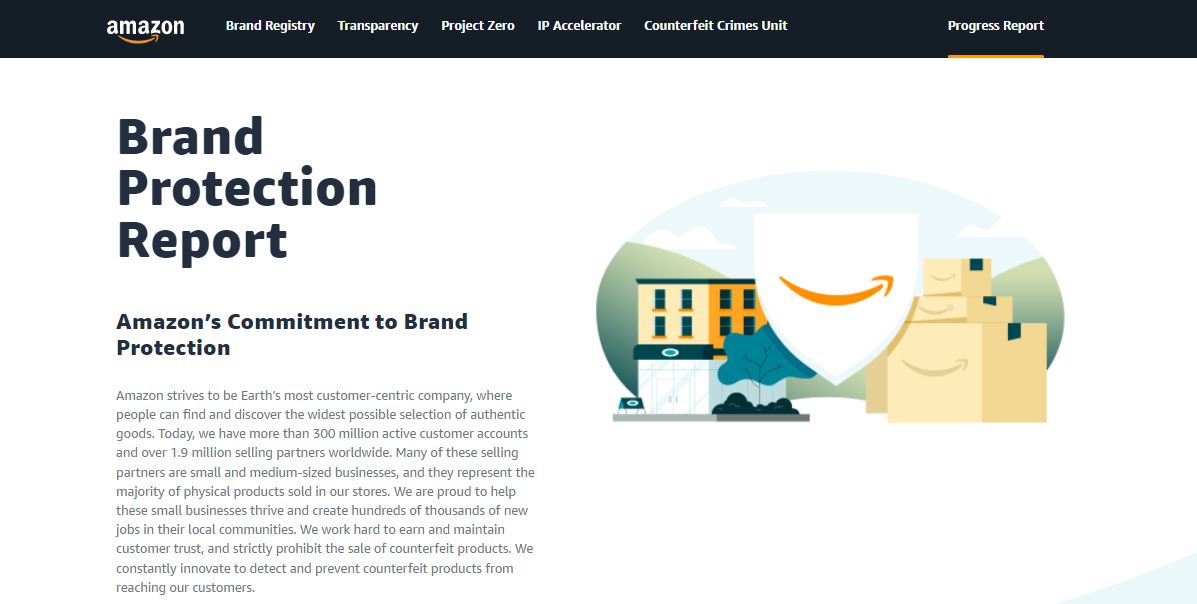
Amazon Brand Protection Report
What Is Amazon Project Zero?
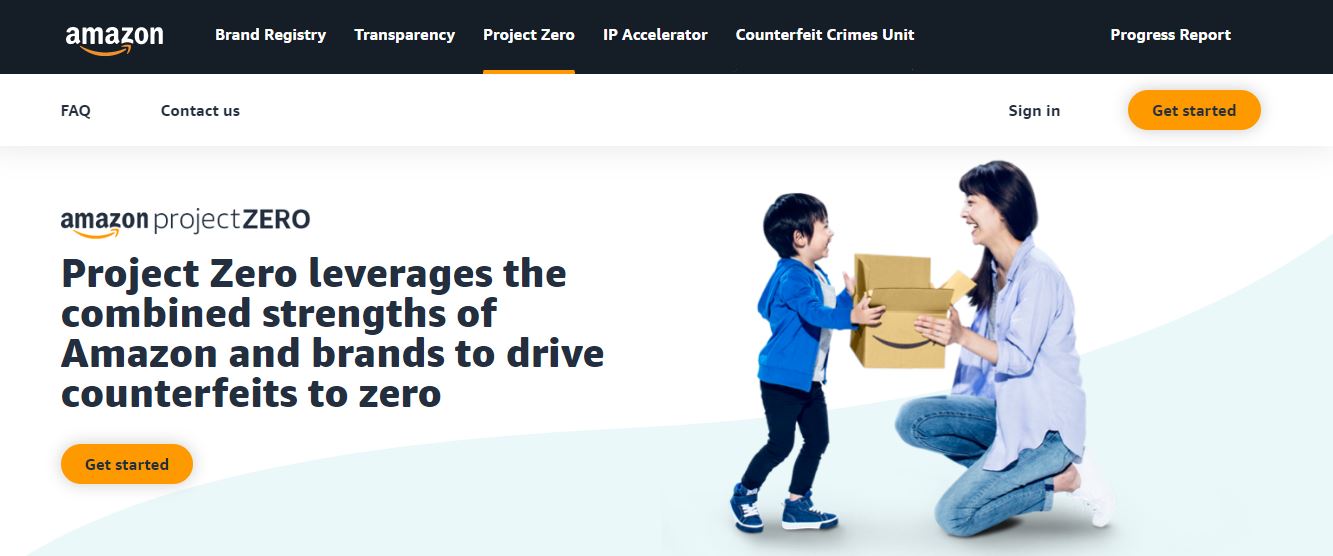
Project Zero is Amazon’s programme for driving counterfeits down to zero, which is where the name comes from. Amazon brings the machine learning; brands bring the one thing Amazon lacks, which is certain knowledge of what their own product looks like.
Before it existed, fighting a fake meant filing a report and waiting. You knew the listing was counterfeit on sight, but you still had to convince someone at Amazon, and the counterfeit kept selling while you waited.
Project Zero flips that round. Amazon decides once, up front, whether your brand can be trusted with takedown power. After that you use it whenever you need it, without opening a case.
It is built for brand owners with a registered trademark, which in practice means private label sellers and established brands rather than resellers or arbitrage sellers. If you do not own the trademark, this programme is not open to you.
One thing to be clear about from the start: Project Zero acts on counterfeits you have already found. It is a removal tool, not an early-warning system, and that distinction shapes how much of your problem it actually solves.
Amazon Anti-Counterfeiting Policy

Amazon bans counterfeit sales outright. If it thinks you are shipping fakes, it can suspend or close your Seller Central account and destroy the stock it holds.
Prohibited products:
- bootlegs;
- fakes;
- pirated copies or content;
- illegally replicated items;
- products infringing intellectual property rights.
Key provisions of anti-counterfeiting policy:
- Amazon prohibits selling counterfeit products;
- merchants must not sell illegally replicated, reproduced, or manufactured products;
- sellers should be ready to give a proof of product authenticity;
- failure to comply with Amazon’s policy leads to account suspension.
Amazon’s Action to protect customers and brands:
- removing suspect listings;
- taking legal action against counterfeiters;
- reporting counterfeit products;
- implementing A-to-z Guarantee;
- encouraging sellers to notify if they have counterfeit complaints.
How Does Amazon Project Zero Work?
Amazon Project Zero combines three tools: automated protections, self-service counterfeit removal, and product serialization powered by Transparency. They are designed to work together, though only the first two are required.
Automated protections
Amazon scans the store for suspected fakes and pulls them before a shopper ever sees them. The scale is the point: Amazon’s machine learning reviews more than 5 billion listing updates a day looking for patterns that match known counterfeits.
What makes it work for your brand is the data you give it. Amazon matches against your logo, your trademarks and the details that mark a product as genuinely yours, so the more it learns from you, the better it gets at spotting a fake of your product.
Self-service counterfeit removal
This is the part sellers care about. Before Project Zero you reported a fake and waited while someone at Amazon looked into it.
Now you remove it yourself. No queue, no case number, no waiting for a reply. The gap between spotting a counterfeit and killing it shrinks from days to minutes.
Every removal also feeds back into the automated side. Each one teaches Amazon’s systems a little more about what a fake of your product looks like, so the next batch gets blocked before it goes live.
Product serialization
Serialization puts a unique code on every unit you make. You apply the codes on the production line, and Amazon scans each one before the item ships.
No valid code, no shipment. It is the only part of Project Zero that stops a fake at the unit level rather than at the listing level.
Serialization is the one part that costs money, and it now runs through Amazon’s Transparency programme rather than as a separate Project Zero feature. Amazon no longer publishes a public per-unit price; brands who enrol pay for serialization codes, with volume discounts available. The other two components stay free, so serialization is opt-in rather than a condition of joining.
Where Is Project Zero Available?
Per Amazon’s Project Zero page, the programme runs in 22 marketplaces: the US, Canada, Brazil, Mexico, Belgium, France, Italy, Germany, the Netherlands, Poland, Spain, Sweden, the UK, Australia, India, Japan, Singapore, Turkey, Egypt, South Africa, Saudi Arabia and the United Arab Emirates.
Enrol once and you are enrolled everywhere it operates.
Who Can Join Project Zero?
Project Zero hands you the power to delete another seller’s listing, so Amazon is careful about who gets it. Nobody wants a brand using takedowns to clear out honest competitors, and Amazon decides eligibility at its own discretion.
If you are already in Brand Registry, you can check whether you qualify from inside Seller Central.
Requirements to join Project Zero:
- a brand must be enrolled in Amazon Brand Registry;
- it should be a government-registered trademark;
- a seller should own the rights of the trademark;
- a merchant should have an Amazon account with access to Brand Registry;
- an applicant should have submitted counterfeit reports with an acceptance rate of 90% in the past half-year.
How Does Amazon Ensure that Brands Properly Remove Counterfeit Listings?
Handing takedown power to brands is a real risk for Amazon, and it only works because your interests line up with theirs. You want fakes off your listings more than anyone at Amazon does.
Amazon expects removals to stay highly accurate, and brands that misuse the tool lose access to it. The published bar for getting in is a 90% acceptance rate on Report a Violation submissions over the previous six months, per Amazon’s eligibility criteria.
Amazon backs that up with guardrails. You have to prove yourself on the Report a Violation tool first, training is mandatory when you enrol, and Amazon watches for misuse throughout.
How Much Does Project Zero Membership Cost?
Most of it is free. Automated protections and the self-service counterfeit removal tool cost nothing once you are enrolled. Only serialization carries a charge, and that is billed through Transparency for the codes themselves, priced by volume rather than at a published flat rate.
💡 Expert Tip: Project Zero is a removal tool, not a detection tool. It shuts a counterfeit listing down quickly once you have found it, but nothing in the programme tells you a counterfeit appeared in the first place. That gap is where most of the damage happens. See our guide to Amazon listing hijacking for the detection side.
Drawbacks of Project Zero
Project Zero is narrow by design. It handles counterfeits and little else, so trademark disputes and other IP problems still go through the normal channels. And if you do not hold a registered trademark, you cannot get in at all.
Project Zero shortcomings:
- only brands with trademarks can join the project;
- counterfeits not using brand owner’s ASINs won’t be identified;
- it handles counterfeits only, not other IP or listing abuse;
- product serialization implies costs for larger brands.
Project Zero vs Transparency vs Brand Registry
These three get confused constantly, largely because Project Zero now delivers its serialization through Transparency. They solve different problems and they stack rather than compete.
| Brand Registry | Project Zero | Transparency | |
|---|---|---|---|
| What it does | Establishes your brand rights with Amazon and unlocks the rest | Lets you remove counterfeit listings yourself | Stops counterfeit units shipping at all |
| Works at | Account level | Listing level | Unit level |
| Cost | Free | Free | You pay for the codes, priced by volume |
| What you need | A government-registered trademark | Brand Registry, plus a 90% acceptance rate on Report a Violation over six months | Enrolment, and codes applied during manufacturing |
| Tells you when there’s a problem | No | No | No |
That last row is the one worth sitting with. All three make it easier to act on a counterfeit, and none of them taps you on the shoulder when one appears. Finding out is still your job.
Other Amazon’s Features for Brand Protection
Project Zero is one piece of a larger set. Brand Registry, IP Accelerator and Transparency each cover ground it does not.
Amazon Brand Registry
Brand Registry is the door everything else goes through. It gets you Amazon’s automated protections and the tools to report violations you find yourself.
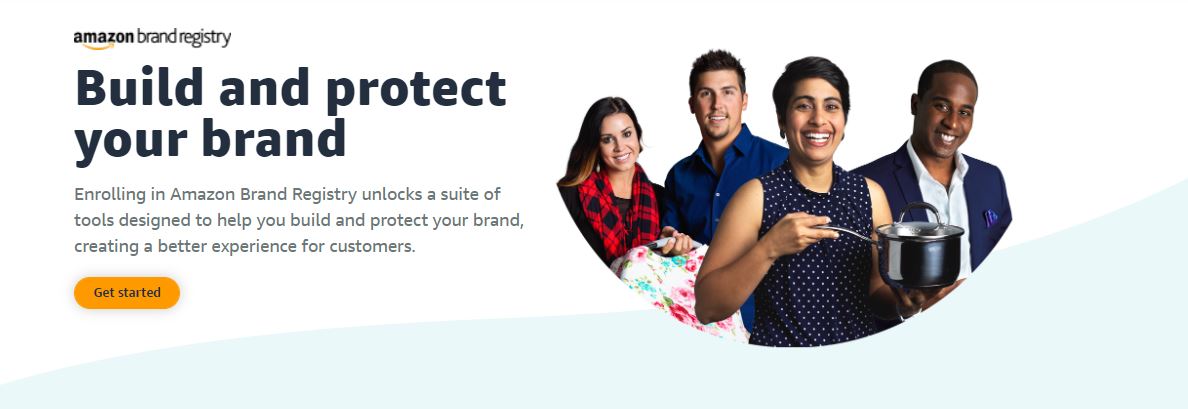
Amazon Brand Registry page
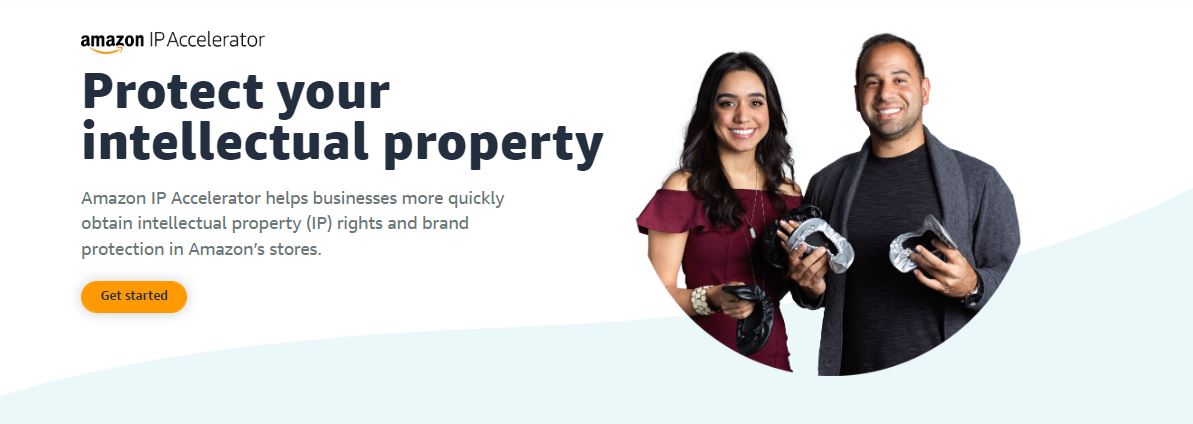
Amazon IP accelerator
This service helps brand owners quickly register intellectual property rights and brand protection in Amazon’s stores.
Amazon IP Accelerator page
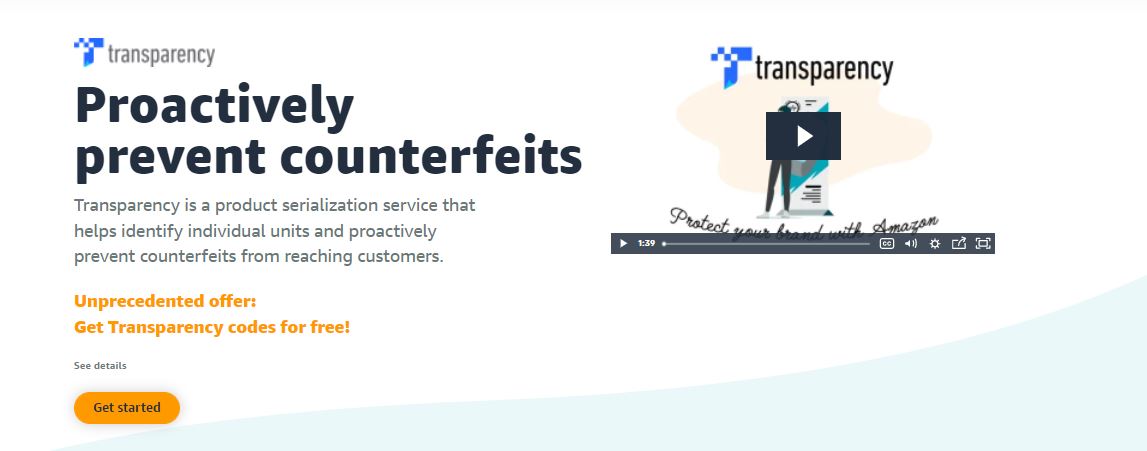
Transparency
This product serialization service allows to identify individual fakes and prevent them from reaching customers.
Transparency page
Protecting your brand is very important because counterfeiters steal your profits. However, this is insufficient for your success on Amazon. To maximize your sales volumes, it’s necessary to constantly keep track of all your product’s metrics. By doing that, you can control your sales indicators and overall store profitability.
Amazon monitoring software is an efficient way to stay on top of your sales. SellerSonar offers instant Amazon alerts to protect your sales. With us, you are aware of all listing changes, Buy Box hijackers, new/deleted reviews, keyword rank history, and product suppressions.
Try SellerSonar now. Start a free 14-day trial, monitor 5 ASINs, no credit card required.

